Calgary Top Landscaper for Professional Outdoor Design and Installation
Calgary Top Landscaper for Professional Outdoor Design and Installation
Blog Article
Redesign Your Outdoor Setting With Professional Landscaping Services
Transforming exterior areas through expert landscape design can greatly enhance both visual appeal and practical use. Skilled landscapers assess individual properties, customizing plans to suit particular environmental factors and ground composition. They incorporate a mix of plants and hardscaping elements to create welcoming outdoor spaces. This strategic method not only boosts property value but also reduces upkeep requirements. Grasping the essential components of effective landscape design is crucial for homeowners looking to enhance their exterior enjoyment. What steps should they take next?
The Perks of Qualified Landscaping Solutions
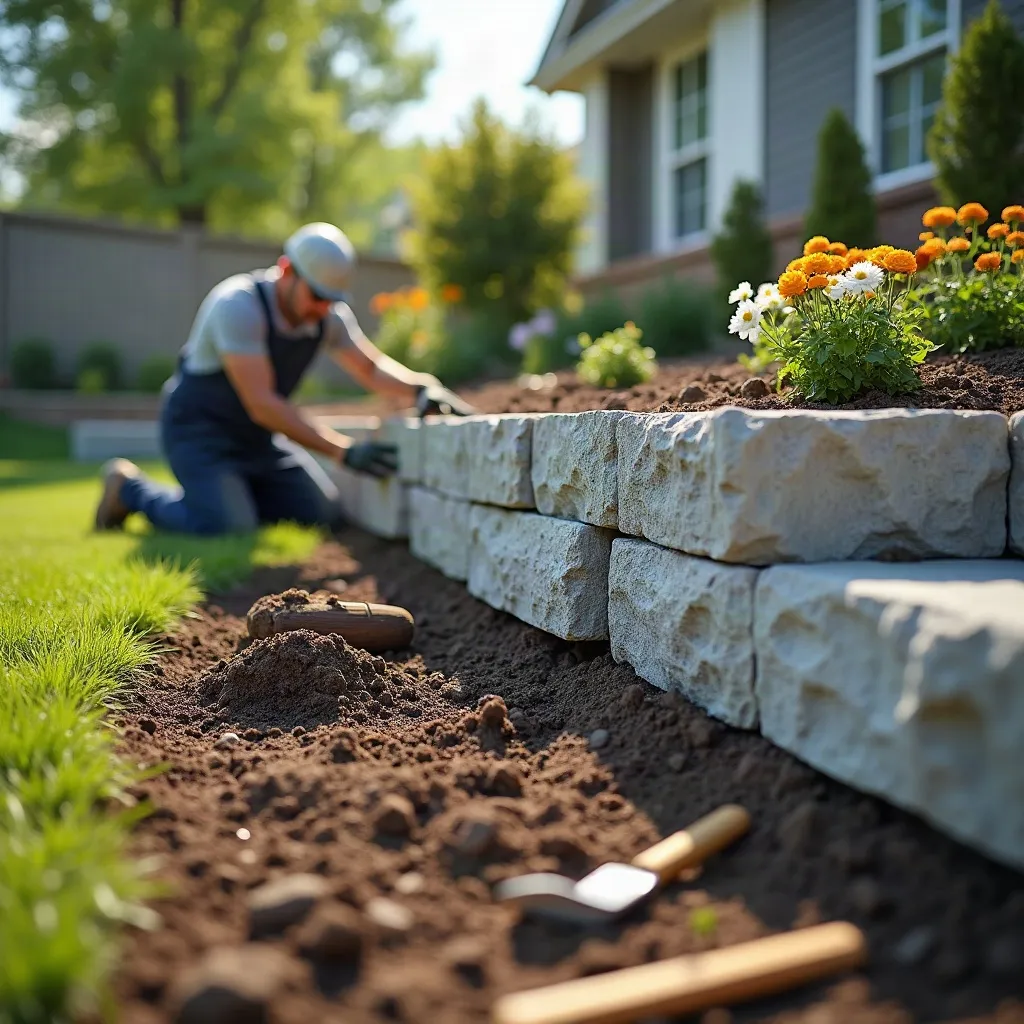
Professional landscape design solutions transform outdoor spaces into functional and aesthetically pleasing environments. These services offer a range of benefits that go beyond mere appearance. One important benefit is the enhancement of property value; well-designed landscapes can significantly boost a home's market appeal. Additionally, professional landscapers possess the expertise to choose appropriate plants and materials tailored to specific climates and soil types, ensuring sustainability and longevity.
Furthermore, these services can strengthen outdoor usability, building spaces for comfort, fun, or play. By carefully planning layouts, landscape contractors optimize the use of space while blending in elements like pathways, outdoor floors, and green spaces.
Furthermore, retaining experts can cut back on homeowners effort and time, mitigating the burden of strategy and care. This allows individuals to enjoy their external areas without the pressure of ongoing care. Ultimately, professional landscape work craft locales that enhance both the elegance and utility of yard spaces.
Critical Elements for a Accomplished Landscape Design
A thriving outdoor space design is defined by several key features that contribute to both functionality and aesthetic beauty. First, a well-thought-out layout maximizes space, guaranteeing ease of movement while establishing distinct areas for leisure and social gatherings. Second, the incorporation of hardscaping elements, such as pathways, patios, and retaining walls, adds organization and longevity to the design. Third, proper drainage systems are essential to prevent water buildup and protect plant health.
Additionally, the use of centerpiece elements, like sculptures or water installations, guides the eye and augments visual beauty. Ambient lighting plays an vital role as well, illuminating pathways and accentuating key landscape elements, thereby extending usability into the evening hours. Finally, a well-considered plant selection, which considers seasonal shifts, fosters species abundance and supports local wildlife. Together, these aspects construct a cohesive and inviting outdoor space that reflects the homeowner's identity while serving practical needs.
How to Select the Perfect Greenery for Your Yard
How can homeowners choose the ideal plants for their gardens? First, understanding the local climate is crucial; plants should thrive in the specific temperature and rainfall conditions of the area. Next, assessing sunlight exposure helps determine whether to choose shade-loving or sun-loving varieties. Soil type also plays a significant role; testing soil pH and texture guarantees compatibility with selected plants.
Property owners should contemplate the yard's size and layout, opting for plants that complement the space without overcrowding. Additionally, going with naturally occurring species can foster local natural diversity while needing less care and upkeep.
Finally, taking into account personal preferences—such as hue, texture, and seasonal appeal—will help design a aesthetically pleasing landscape. A carefully planned combination of these factors ultimately leads to a lively and balanced outdoor environment that showcases the homeowner's aesthetic while being sustainable and manageable.
Maximizing Utility With Hard Landscaping
Hardscaping functions as a vital component in enhancing outdoor living spaces by supplying functional areas for leisure and social gathering. It also enables the development of walkways and outdoor platforms, guiding movement and creating definition to the landscape. Additionally, effective hardscaping can enhance water management and minimize soil degradation, contributing to the overall well-being of the yard.
Upgrading Outdoor Living Areas
Remodeling outside living areas greatly upgrades their functionality, creating comfortable areas for leisure and entertainment. Effective hardscaping components, like retaining walls, outdoor kitchens, and fire pits, can substantially raise these spaces. By using durable materials such as stone, brick, or pavers, homeowners can achieve a balanced aesthetic that suits nature while offering functional perks. These features not only define areas for social gatherings but also boost ease of use and organization in the outdoor environment. Additionally, strategically placed seating arrangements can nurture conversation and produce a sense of intimacy. Ultimately, a well-designed outdoor living space maximizes enjoyment by combining comfort and utility, making it an important component of modern home landscaping.
Designing Trails And Patios
A range of carefully designed walkways and patios can substantially elevate outdoor usability and aesthetics. These landscape features act as critical links between various sections of a yard, providing clear direction while creating spaces for leisure and social gatherings. Outdoor patios form inviting areas for exterior events, equipped to accommodate seating and social activities. Pathways, constructed from materials like stone, brick, or concrete, not only guide pedestrian flow but also contribute to the overall aesthetic style of the landscape. Adding curves and varying sizes can add visual interest, making the outdoor space more attractive. When professionally installed, pathways and outdoor spaces blend smoothly with the natural surroundings, boosting both usefulness and aesthetic value in any external environment.
Improving Water Flow And Soil Degradation
Improving outdoor areas is more than aesthetics; it also involves handling practical issues like drainage and erosion. Efficient landscaping incorporates hardscaping elements such as retaining walls, gravel pathways, and permeable pavements, which aid in complete article managing water flow and lessening soil erosion. By strategically placing these features, homeowners can divert excess rainwater away from vulnerable spots, protecting the plants and structures.
Furthermore, adding French drains or swales can greatly improve drainage by directing water to specified zones. These approaches not only prevent damage but also enhance the overall performance and longevity of the landscape. Ultimately, expert landscaping companies offer knowledge in implementing these hardscaping techniques, ensuring a balanced and resilient outdoor environment that withstands the challenges of nature.
Seasonal Care Recommendations for Your Outdoor Space
Effective seasonal work is necessary for preserving the splendor and condition of any landscape. Homeowners should complete particular activities throughout the entire season to ensure their exterior grounds flourish. In the spring months, the attention should be on cleaning up debris, aerating the soil, and applying fertilizer to foster development. Seasonal upkeep encompasses regular watering, mulching, and selective cutting to promote healthy plant development while preventing disease.
As autumn emerges, it's critical to gather fallen leaves, prepare garden beds for the dormant season, and cultivate perennials for future development. Winter maintenance may feature defending delicate plants using mulch or fabric, providing proper drainage, and monitoring hardscapes for cold-related damage. By honoring these seasonal maintenance tips, residents can fortify their landscapes' longevity and aesthetic character, crafting a vibrant outdoor setting perpetually.
Important Queries to Ask When Hiring a Landscape Contractor?
When choosing a landscape service, what key questions should homeowners think about to ensure they select wisely? First, they should ask regarding the company's expertise and knowledge in the particular landscaping style wanted. Comprehending their design philosophy and previous projects can offer useful information.
Next, property owners should inquire regarding licensing and insurance to confirm adherence to local codes and protection against potential liabilities. A detailed estimate is essential, so asking for a breakdown of costs will help avoid unexpected expenses.
Asking about the schedule for project completion and upkeep choices is also fundamental, as it affects lasting contentment. Additionally, homeowners should investigate the kinds of materials and vegetation the company uses, verifying they align with personal preferences and environmental sustainability. Finally, reading reviews and asking for references can offer reassurance about the reliability and quality of the service.
Questions Which Are Asked Frequently
How Much Does Expert Landscaping Typically Cost?
Landscaping work generally runs $50 to $150 per hour, subject to the complexity and scope of the project and location. Homeowners need to factor in extra expenses for materials, design consultation, and regular maintenance when budgeting for landscaping services.
What duration can you plan for when undertaking a landscape design job?
A landscaping endeavor generally takes several weeks to a few days depending on circumstances, reliant on the scope of work, area dimensions, and design complexity, with more expansive projects taking longer for conclusion.
Will Grounds Maintenance Increase My Home's Market Value?
Landscaping can considerably improve asset value by upgrading street presence, creating welcoming exterior areas, and enhancing overall aesthetics. Properly cared for landscaped areas and intentional arrangement often attract prospective purchasers, making highly sought after in the real estate market.
Which Permits Are Required for Landscaping Projects?
Landscaping activities often demand assorted permits, based on local statutes. Common permits comprise those for tree removal, structural additions, and drainage modifications. Homeowners should speak to local authorities to confirm adherence with zoning laws and environmental guidelines.
How Greatly Do Weather Conditions Change Your Landscape Design Decisions?
Environmental conditions significantly shape landscaping selections, as rainfall, temperature, and sunlight affect plant choice, soil preparation, and maintenance methods. Tailoring designs to local climate ensures durability, growth, and overall aesthetic appeal in outdoor spaces.
Report this page